If you bought XRP on an exchange, it is easy to assume it is sitting safely in a wallet somewhere. In practice, you are holding a balance on someone else's books. The provider controls the keys; you control a login. That gap is why wallet choice matters more than most beginners expect.
For anyone in the UK starting out with XRP, the decision comes down to two broad options: hot storage, which stays connected to the internet, and cold storage, which keeps keys offline. Both work. They simply trade convenience against risk in different proportions.
What a Wallet Actually Holds
A crypto wallet does not contain XRP. The coins exist on the XRP Ledger, a public network, and a wallet holds the keys that prove you can move them.
Two pieces of information matter. Your public address, which usually begins with the letter "r" and can be shared freely. And your private key or seed phrase, which must never leave your control. Anyone with the seed phrase can move your funds, and there is no customer service line to call when it goes wrong.
Most wallets give you a 12 or 24-word recovery phrase at setup. Write it down by hand and store it somewhere that is not your phone, your email or a photo album. Lose the device but keep the phrase, and you can restore access. Lose the phrase, and the funds are gone.
One XRP-specific detail trips up newcomers: the destination tag. Many exchanges use a single address for thousands of customers and rely on a numeric tag to credit the right account. Send XRP without the tag you were given and it can arrive but sit uncredited. Copy the tag as carefully as the address, and send a small test amount first.
Hot Wallets: Quick Access, Constant Exposure
A hot wallet is any wallet connected to the internet: an exchange balance, a mobile app, a browser extension.
Custodial wallets
This is the exchange balance most people start with. You log in, buy, sell, withdraw. The trade-off is that you are trusting a company to hold your assets, and you take on whatever happens to that company. UK crypto holdings are not covered by the Financial Services Compensation Scheme.
Self-custody hot wallets
Here you hold the keys, but the wallet lives on a device that is online. That makes it useful for trading and moving funds quickly. It also makes it a target. Malware can swap a copied address for a thief's. Phishing sites mimic wallet apps convincingly. Someone who compromises your email or phone number may try to reset their way in.
Habits help more than tools: use a dedicated device where you can, check the first and last few characters of every address, install updates, and treat every unsolicited message about your wallet as hostile. No legitimate support team will ever ask for your seed phrase.
Cold Wallets: Keys Kept Offline
Hardware wallets
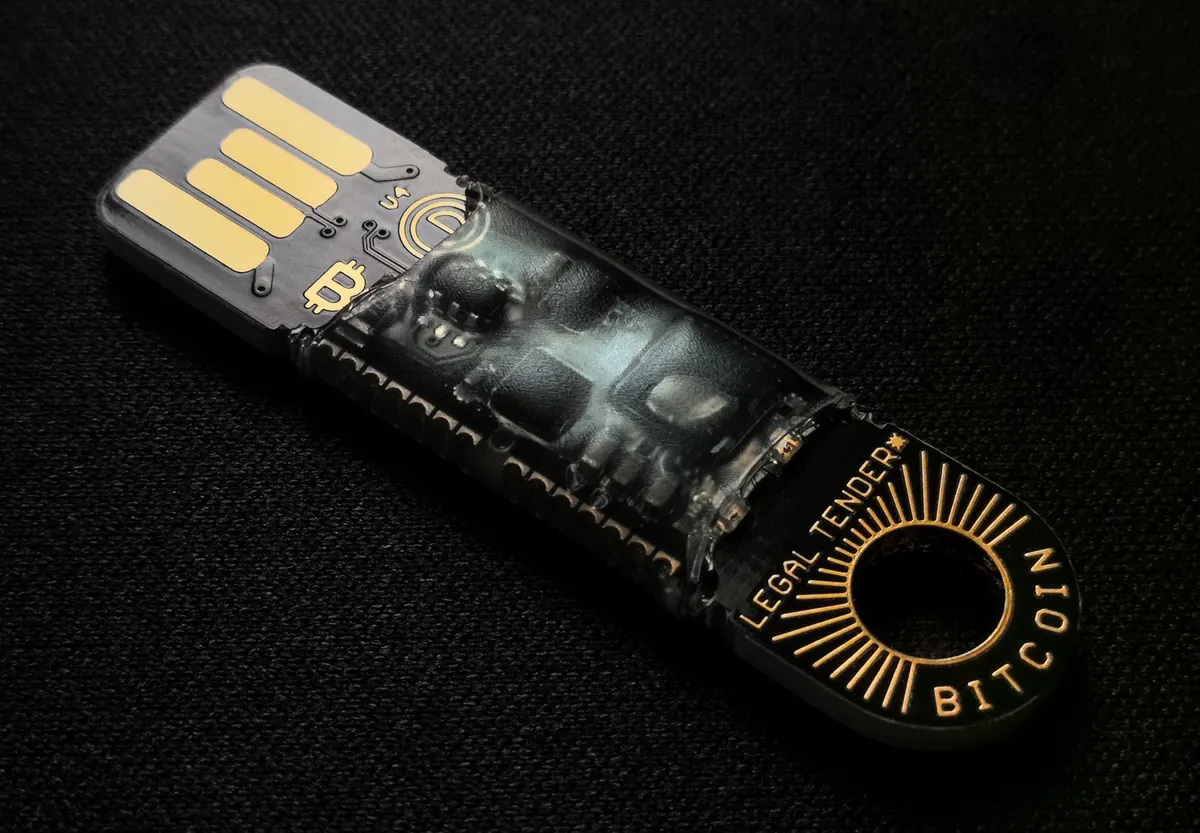
A hardware wallet is a small device that stores your keys and signs transactions internally. You connect it when you want to move funds, confirm the details on the device's own screen, and the private key never touches your computer. Most support XRP. Buy directly from the manufacturer rather than through a marketplace, where tampered or pre-used devices have been sold. Set your own PIN and generate a fresh seed phrase rather than accepting one supplied with the device.
Paper wallets
Writing a key on paper is the oldest form of cold storage. It is cheap and genuinely offline, but unforgiving. Paper burns, fades and gets binned during a house move, and one typo in a hand-copied key destroys access. Most people are better served by a hardware wallet.
Hot vs Cold: The Trade-offs at a Glance
- Convenience: hot wallets win. Transfers take seconds, with no device to fetch.
- Protection from remote attacks: cold wallets win. Keys that never touch an online machine cannot be lifted by malware or a phishing page.
- Protection from your own mistakes: more even than people assume. A hardware wallet will not save you from a lost phrase or a wrong destination tag.
- Cost: hot wallets are usually free; hardware wallets cost money upfront.
- Best suited to: hot wallets for small, active balances; cold wallets for holdings you will not touch for months or years.
What the FCA Warns About — and Why It Matters
The Financial Conduct Authority has been clear that cryptoassets are high risk and, for the most part, unregulated. If a provider fails or you are defrauded, you generally cannot take a complaint to the Financial Ombudsman Service, and the Financial Services Compensation Scheme does not cover crypto. The FCA's repeated message is simple: do not invest money you cannot afford to lose.
Since late 2023, firms marketing crypto to UK consumers have had to follow financial promotion rules. Promotions need approval from an authorised firm, must carry prominent risk warnings, and first-time investors get a cooling-off period before proceeding. Firms handling crypto also need to be registered with the FCA for anti-money-laundering purposes. Checking the FCA register and its warning list of unauthorised firms takes two minutes and is worth doing before you deposit anything.
Be sceptical of guaranteed returns, "recovery services" asking for a fee upfront, and strangers who contact you about a wallet or a trading opportunity.
Setting Up Your First XRP Wallet
- Decide what you need. Trading a small amount often? A reputable self-custody app may be enough. Holding longer term? Budget for a hardware wallet.
- Buy hardware directly from the manufacturer and check the packaging for signs of tampering.
- Set up the wallet yourself, generating a new seed phrase and writing it down by hand.
- Store the phrase offline in two separate places, away from your devices. Never photograph it or keep it in cloud notes.
- Send a small test amount first, confirm it arrives, then move the rest.
- Check the destination tag every time you send XRP to an exchange.
- Keep records of purchases, transfers and sales. HMRC generally treats cryptoassets as property, so disposals can fall within Capital Gains Tax.
A Sensible Setup for Most UK Beginners
A workable split for many people: keep a small working balance in a hot wallet for quick moves, and put the rest in cold storage. Treat an exchange as a door you pass through, not a place you leave holdings long term.
Then do the boring things. Update your wallet software. Check your seed phrase backup once a year to confirm it is intact and legible. Assume every direct message about crypto is a scam until proven otherwise.
None of this is financial advice, and the tax rules around crypto are not always straightforward. If the amounts involved are meaningful to you, speak to a regulated financial adviser or an accountant before making decisions you cannot easily reverse.
Photo: Simon / Pexels