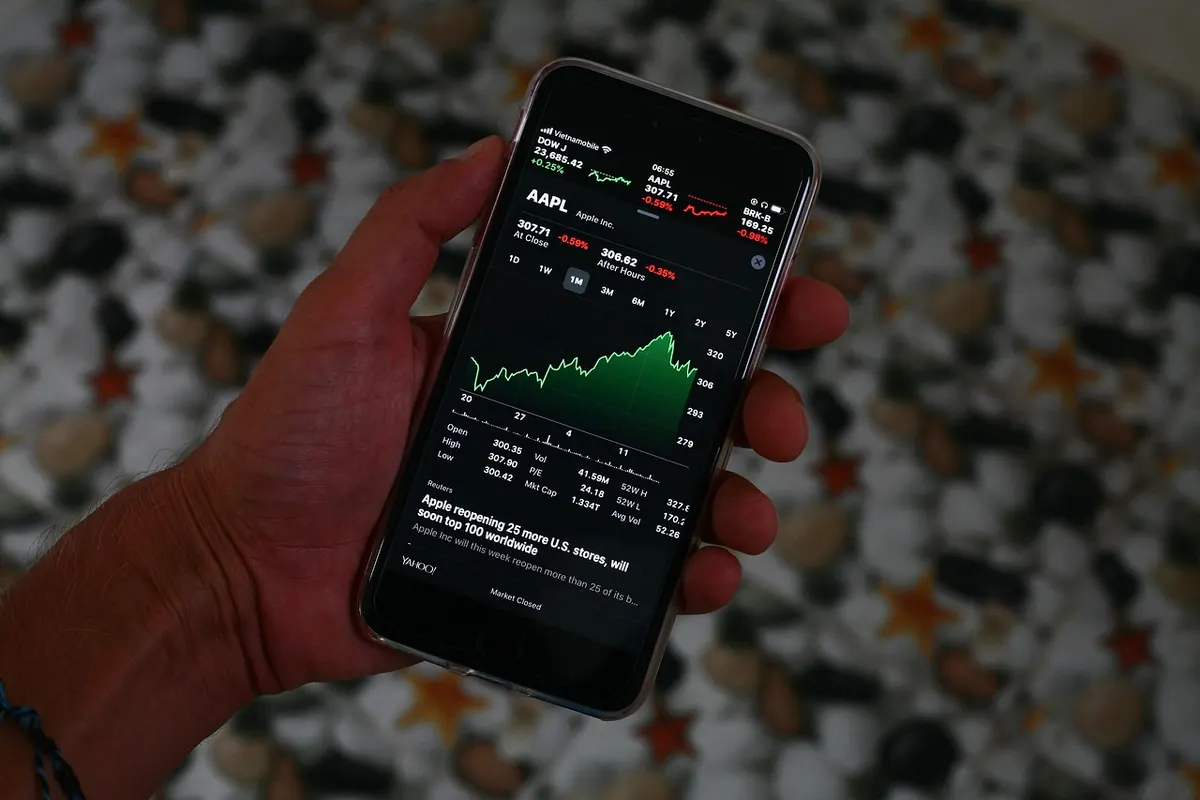
If you want to move money from a UK bank account to a relative in Lagos, a supplier in Warsaw or your own account in Manila, the real question is not which coin is nicer. It is which rail gets the money there faster, cheaper and with fewer nasty surprises. XRP and Bitcoin were designed with different jobs in mind, and those differences show up the moment you try to send actual pounds.
Speed: what settlement actually means
Bitcoin writes a new block roughly every ten minutes. If you wait for a couple of confirmations before treating a payment as final — which most exchanges and merchants do — you are looking at anywhere from ten minutes to an hour. During congestion, or if you set a low fee, it can stretch further. The Lightning Network sits on top of Bitcoin and settles almost instantly, but it works best for smaller amounts and depends on the liquidity of the route you are using.
The XRP Ledger closes a new ledger every few seconds, and a transaction is typically final within that window. No confirmation queue, no waiting for the next block.
That said, on-chain speed is only one link in the chain. The slow parts are usually elsewhere:
- the exchange withdrawal queue after you sell your pounds
- the receiving exchange's internal review, which can take hours
- the recipient's local bank, which may not process transfers at weekends
Bitcoin is available 24/7, so a Saturday night transfer does not care about banking hours. Neither does XRP. That is a genuine advantage over a conventional bank transfer, which can sit still until Monday.
Fees: three costs, not one
Most comparisons quote the network fee and stop there. That is the least important number. For a real UK-to-overseas payment, you pay three separate things, and sometimes four:
- On-ramp cost. Buying crypto with GBP means an exchange spread plus a card or bank transfer fee.
- Network fee. Tiny on the XRP Ledger, variable on Bitcoin.
- Off-ramp cost. The recipient sells the crypto for local currency, paying a spread and a withdrawal fee to their bank.
- Volatility risk. Every minute between buying and selling, the price moves. That is a cost even when it is invisible.
Bitcoin's on-chain fee swings with demand. At quiet times it is pennies; during a busy spell it can add up quickly, which is why large transfers are often batched and small ones pushed to Lightning. XRP's design keeps fees deliberately trivial and burns a sliver of XRP with each transaction, which discourages spam.
The network fee is rarely what decides whether a payment makes sense. The spread on the way in and the spread on the way out usually decide it.
Energy use: a real difference, and a real consideration
Bitcoin runs on proof of work. Miners compete to solve puzzles, consume large amounts of electricity and chase the cheapest power they can find. That is not a flaw in the design; it is how the network secures itself. But if you are a UK business with an environmental reporting obligation, or a customer who cares about energy use, it is a factor you cannot ignore.
The XRP Ledger uses a consensus protocol in which a set of independent validator nodes agree on the order of transactions. The energy footprint is negligible by comparison. For pure payment mechanics, XRP is the lighter option.
Remittances: where each rail earns its place
The UK sends substantial sums along corridors such as India, Nigeria, Pakistan, the Philippines and Romania, and receives plenty back. On paper, a crypto rail looks ideal: no correspondent banks, no cut-off times, no three-day wait.
In practice, the competition is strong. Services like Wise, Remitly and Revolut handle many of these corridors in minutes or same-day, at low cost, with the recipient's bank details as the only requirement. If your goal is simply "send £300 to Mum in Kerala today", a specialist provider is often the cheapest and most boring answer — which is usually the right one.
Crypto starts to make sense when:
- the corridor's banking system is slow, restricted or closed at the time you need it
- your recipient already holds crypto and does not need to convert to local currency
- you are moving value into a country where local exchange liquidity is thin — in which case a widely traded asset such as XRP or a major stablecoin may be easier to sell than Bitcoin
- you want to send at the weekend without waiting for Monday
Bitcoin's advantages are liquidity, brand recognition and a long track record. XRP's are speed and cost on the network layer. Neither solves the awkward final hop into a local bank account, which is where most of the time and money still goes.
The UK regulatory picture you cannot skip
Crypto firms serving UK customers generally need to be registered with the Financial Conduct Authority for anti-money-laundering purposes, and the FCA's financial promotion rules mean you should expect clear risk warnings and, for first-time investors with a firm, a cooling-off period before you buy. Check the FCA register before sending money to any platform you have not used before.
On tax, HMRC treats cryptoassets as property rather than currency. Spending or swapping crypto is normally a disposal for Capital Gains Tax purposes, so a payment is not just a payment — it is a taxable event with a record to keep. Rules and thresholds change, and your circumstances matter. Take professional tax advice before building crypto into anything regular.
Which is better for UK payments?
There is no single winner, so pick by job:
- Fast, cheap value transfer where the recipient wants local currency: compare XRP and stablecoins against a specialist remittance provider first. The provider often wins.
- Small retail payments: XRP or Bitcoin Lightning both beat on-chain Bitcoin.
- Larger transfers with a crypto-native counterparty: XRP's low network cost and quick finality make it the tidier tool. Bitcoin's deeper liquidity helps if size is very large.
- Long-term holding: a completely different question, and not a payments decision at all.
A practical checklist before you send anything
Add up the whole route, not the network fee. Then run these steps:
- Price the same transfer through a conventional provider so you have a benchmark.
- Check the recipient's exchange supports the asset and can withdraw to their local bank.
- Send a small test amount first. Every corridor has its own quirks.
- Move at a quiet time and convert to local currency quickly — holding overnight introduces price risk you did not budget for.
- Keep records of every buy, transfer and sale for HMRC.
For most UK readers sending money abroad in 2025, the honest answer is that a regulated remittance service will beat both XRP and Bitcoin on total cost and simplicity. XRP wins when speed and network cost matter most and both ends are set up for crypto. Bitcoin wins on liquidity and acceptance, and on-chain Bitcoin loses on speed and fees for anything small. Match the tool to the job, price the whole journey, and you will not go far wrong.
Photo: nattanan23 / Pixabay